Leave Your Message
0%

China has really stepped up as a major hub for sourcing industrial woodworking and metalworking equipment these days. It’s not just about digging for the lowest price anymore—buyers are looking for much more. They want stuff that performs reliably, safety measures that are well-documented, quick and helpful service, and a steady supply of spare parts. No one wants to get caught out with broken equipment or supplier empty-handed.

Now, if we talk about power tools, the market hit around USD 36 billion in 2023, according to Grand View Research. They also expect things to keep growing through 2030, boosted by the construction industry, manufacturing, and professional workshops. That’s pretty important context for anyone eyeing a Belt Sander Standingmodel—they might want to compare options carefully. But here’s the thing: broad stats on power tools don’t really cover every stationary Sanding Machine out there. So, it’s worth keeping in mind that the figures don’t tell the whole story.

This guide aims to help you navigate China-based suppliers by focusing on some practical purchasing criteria—stuff like motor power, belt size, platen strength, dust collection systems, emergency stop access, and whether they’ve tested machines for continuous use. Checking factory certifications, product quality, export track record, and after-sales support can really give you a good sense of who you’re dealing with. Reports from the International Trade Centre are also handy for understanding trade flows and supplier landscapes. And yes, ISO 9001 certifications can give you confidence about processes, but don’t rely on them alone—always test the machines whenever possible.

Look closely at what you’re really getting. Sometimes, a shiny catalog can hide issues like inconsistent belt tracking or weak welds. Some specs might also need a second opinion—don’t hesitate to ask for test videos, samples, inspection records, or straightforward warranty info before you make a big purchase. A truly reliable supplier will be upfront about their limitations too, not just singing their praises.

This article offers a clear comparison of China’s top Standing Belt Sander suppliers for global buyers. But keep in mind, suitability really depends on your material needs, how much work you plan to do, your workshop setup, and any local rules you need to follow. Bottom line: do your homework and choose wisely.
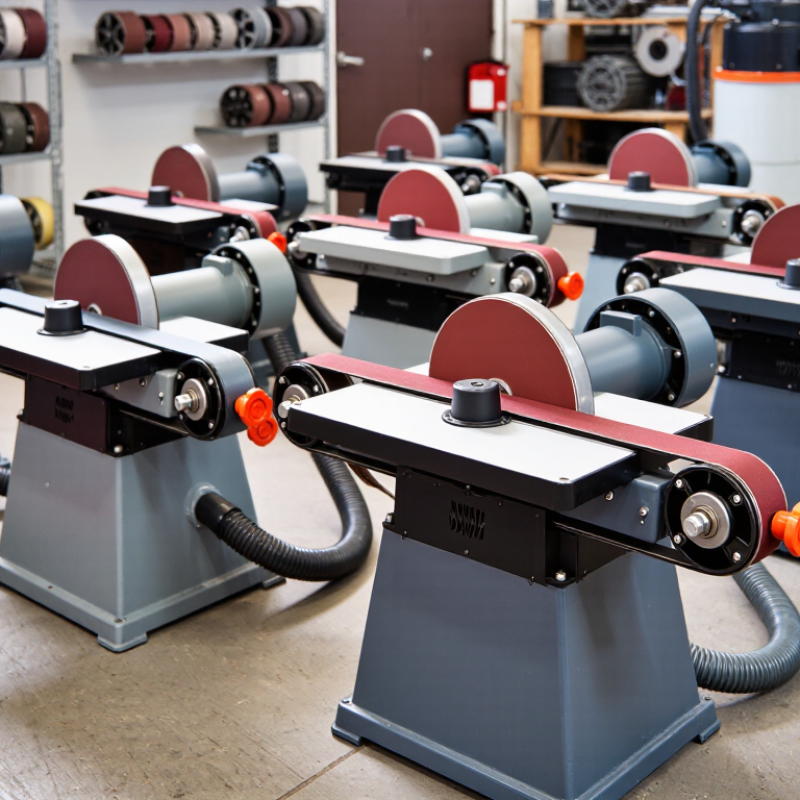
China Top Standing Belt Sander Suppliers for Global Buyers

What Defines a Standing Belt Sander for Industrial Use

China Top Standing Belt Sander Suppliers for Global Buyers

What Defines a Standing Belt Sander for Industrial Use

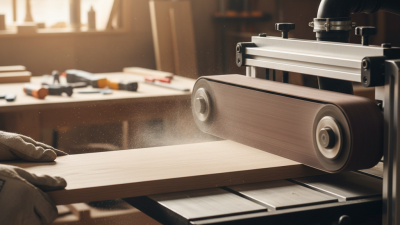
A Standing Belt Sander is built for repeated material removal, not occasional workshop work. Its upright frame keeps the abrasive belt stable during long production cycles. A rigid contact wheel supports rough grinding, while a flat platen helps create straighter surfaces. These details matter when processing steel edges, timber panels, or composite parts.

Industrial models usually include adjustable belt tracking, quick tension release, guarded moving parts, and a reachable emergency stop. Dust extraction is equally important. Fine wood dust and metal particles can reduce visibility and damage internal components. A practical test should check vibration, noise, belt alignment, and motor temperature after continuous operation. Ten minutes may reveal little.

Global buyers should examine motor power, belt dimensions, duty cycle, working height, and available voltage options. The machine should match the material and expected workload. A powerful motor is not automatically better. Excessive pressure can overheat the workpiece and shorten belt life. I have seen operators blame the machine when poor belt selection caused the real problem.

Reliable suppliers should provide clear drawings, safety instructions, inspection records, spare-part details, and responsive technical support. Packaging also deserves attention. Reinforced corners and moisture protection can prevent damage during ocean transport. Certifications should be verified against the destination market, not accepted as vague claims. A small omission in documentation can delay installation.

Why China Is a Major Source of Standing Belt Sanders

China has become a major source of Standing Belt Sander equipment because its industrial supply chain is unusually complete. UNIDO’s 2024 International Yearbook of Industrial Statistics places China’s share of global manufacturing value added at about 31.6% in 2022. That scale supports faster access to motors, steel frames, cast components, switches, and abrasive belts.

The broader electric tools market also shows steady demand. Grand View Research estimates the global power tools market reached approximately USD 41.7 billion in 2023. Chinese manufacturers serve this growth through flexible production, private-label development, and established export logistics. Buyers can often request adjustable tables, longer sanding belts, dust extraction ports, and region-specific electrical configurations.

Details matter more than polished catalogs. During factory evaluations, buyers should inspect belt tracking under load, emergency-stop response, weld quality, vibration levels, and motor temperature after continuous operation. Ask for inspection records, spare-part lists, and sample testing before placing volume orders. A low quoted price can hide thin steel, uneven bearings, or weak dust seals. Not every supplier offers the same engineering depth. That deserves honest checking. Specification sheets may also omit practical noise and maintenance concerns, which can become expensive after installation.

Key Criteria for Selecting a Chinese Belt Sander Supplier

Choosing a Chinese Belt Sander supplier requires more than comparing catalogue prices. Grand View Research valued the global power tools market at about USD 36 billion in 2023. That scale attracts capable factories and inexperienced traders. Confirm whether the supplier manufactures the machine or only resells it.

Request factory photos, production records, and a recent audit report. ISO Survey 2022 recorded over 1.2 million ISO 9001 certificates worldwide, but certification alone proves little. Check its scope, issuing body, and current validity. A reliable supplier should provide motor ratings, belt speed, sanding width, dust-collection specifications, and electrical test results. Ask for a sample under your actual workload. Watch vibration, belt tracking, heat buildup, and surface marks after continuous operation. Small details matter.

For a Standing Grinder, inspect frame welds, emergency-stop access, guarding, and replacement-part availability. Confirm compliance documents for your destination market, not generic declarations. Review batch traceability, packaging tests, lead times, warranty handling, and spare-belt supply. One uncomfortable lesson: a polished showroom sample may not represent mass production. Request a pre-shipment inspection with recorded measurements. Keep acceptance limits in writing. A very low quotation can hide thinner steel, weaker bearings, or incomplete testing. I would also compare three suppliers using the same checklist. My initial preference might still change after the first production run.

Key Criteria for Selecting a Chinese Belt Sander Supplier

This procurement benchmark prioritizes the factors global buyers typically verify when evaluating Chinese Belt Sander suppliers. Product quality and safety compliance receive the highest weights, followed by manufacturing capability, delivery reliability, export documentation, after-sales support, and commercial terms. The percentages represent a practical evaluation framework rather than data from any individual company or brand.

Leading Types of Chinese Standing Belt Sander Suppliers

Chinese Standing Belt Sander suppliers generally fall into four practical types:OEM factories, custom engineering workshops, export wholesalers, and abrasive-machine specialists. OEM factories suit buyers seeking stable volumes and private specifications. Engineering workshops are better for unusual table sizes, dust extraction, or adjustable grinding angles. Wholesalers offer faster sampling, but their technical control may be weaker. Specialized manufacturers often provide stronger knowledge of abrasive belts, contact wheels, and surface finishing.

Industry data helps explain this structure. Grand View Research valued the global power tools market at about USD 32.8 billion in 2022 and forecast continued growth through 2030. The Freedonia Group also identifies replacement demand, construction activity, and manufacturing automation as key power-tool drivers. These trends support Chinese suppliers offering compact workshop models and heavier production machines. A Belt Sander Belt Grinder Surface Grinding Machine should show motor power, belt speed, platen dimensions, noise levels, and dust-port specifications clearly. Ask for load testing.

Real purchasing experience reveals a common weakness: catalogue claims can look precise, while actual belt tracking varies under heat. Request videos of continuous operation, sample grinding on your material, and inspection records for bearings and welds. ISO 9001 certification can indicate process discipline, but it does not prove grinding accuracy. Some suppliers respond quickly yet provide vague tolerance data. That deserves caution. Check packaging, spare-belt availability, electrical compatibility, and warranty terms before payment. A supplier may be excellent for stainless steel finishing but unsuitable for hardened steel removal. Fit matters more than photographs.

How to Evaluate Quality, Certifications, and Manufacturing Capacity

Choosing China’s standing Belt Sander suppliers requires more than comparing quotations. Inspect the machine’s frame, motor housing, belt tracking, and emergency stop response. A heavy steel base should remain stable during continuous sanding. Ask for production samples, not only polished showroom units.

Quality evidence should include inspection records, load-test results, and traceable component lists. ISO 9001 can indicate structured quality management, but it does not guarantee every machine performs well. Check whether required electrical and safety certifications match your destination market. Request valid certificates, test reports, and declaration documents. For a Belt Sander And Disc Sander, examine disc balance, dust ports, guard alignment, and surface finish consistency. Small details matter.

Manufacturing capacity needs practical verification. Ask for monthly output, normal lead times, peak-season delays, and the number of final inspectors. A factory audit should review incoming material control, calibration labels, wiring tests, and packaging protection. Visit the line if possible. Photos can mislead. I have found that a supplier may show excellent assembly work while outsourcing critical motors or switches. That is not automatically unacceptable, but it requires clear traceability and backup planning. Order a pilot batch and measure noise, vibration, sanding accuracy, and repeated belt changes before committing to larger volumes. Human inspection still matters; automated checks cannot catch every careless adjustment.

Ordering, Customization, Shipping, and After-Sales Support

Global buyers need more than a quoted price when sourcing a standing belt sander. A reliable supplier should confirm belt size, motor voltage, abrasive speed, table dimensions, and safety requirements before accepting an order. Request a signed specification sheet and a pre-production video. Small details matter. The World Bank’s 2023 Logistics Performance Index highlights customs reliability and shipment tracking as major logistics factors. These checks reduce preventable delays.

Tips: Start with one tested sample. Ask for inspection records, spare-part lists, and a realistic production schedule. Customization may include dust ports, emergency-stop layouts, worktable coatings, or private packaging. Each change should appear on the commercial invoice and technical drawing. I have seen projects fail because a voltage label was treated as a minor detail. It was not.

Shipping plans should define Incoterms, pallet dimensions, gross weight, and moisture protection. UNCTAD reports that maritime transport carries over 80% of global merchandise trade by volume, so port congestion can affect delivery dates. Use shock indicators and photograph the packed machine before dispatch. After-sales support should specify response times, remote troubleshooting, replacement-part availability, and warranty exclusions. A supplier that provides numbered parts diagrams and short repair videos is easier to trust. Yet no system is perfect. Buyers should still keep critical consumables locally and review supplier performance after every shipment.

China Top Standing Belt Sander Suppliers for Global Buyers - Ordering, Customization, Shipping, and After-Sales Support

Practical sourcing benchmarks and verification points for international buyers of standing belt sanders

Evaluation Dimension Typical Market Benchmark What Global Buyers Should Confirm Recommended Evidence or Document
Product Type Floor-standing belt sanders commonly use a vertical or horizontal sanding belt for metal, wood, and other suitable materials. Confirm the intended material, sanding width, belt length, table size, motor configuration, and application limits before ordering. Technical datasheet, machine drawings, operating manual, and application photos or videos.
Ordering Quantity One-unit orders are often possible for standard machines, while lower unit prices generally apply to multiple-unit purchases. Request separate quotations for one sample unit, a small batch, and a container-level order. Confirm whether accessories are included. Proforma invoice with quantity-based pricing, packing list, and accessory list.
Quotation Content A complete quotation should identify model specifications, voltage, frequency, motor power, dimensions, net weight, gross weight, and packing method. Compare quotations on the same technical configuration instead of comparing price alone. Itemized quotation showing product price, tooling or setup fees, packing charges, and delivery terms.
Customization Options Voltage Frequency Plug Color Labeling Confirm whether customization affects minimum order quantity, production time, testing requirements, or additional charges. Approved artwork, electrical specification sheet, sample approval record, and written change confirmation.
Electrical Compatibility Export configurations may require different voltage, frequency, plug, switchgear, and safety labeling depending on the destination market. Provide the destination country, required voltage and frequency, plug type, and local electrical compliance requirements. Wiring diagram, nameplate artwork, motor data, conformity documents, and inspection report.
Lead Time Standard models are commonly quoted in a production window of approximately 15–35 working days after payment and specification approval; customized orders may require longer. Ask the supplier to state the production start date, inspection date, packing date, and consequences of delay in writing. Order confirmation, production schedule, and pre-shipment inspection report.
Quality Inspection Important checks include motor operation, belt tracking, emergency stop function, vibration, guarding, table alignment, and package condition. Use a written inspection checklist and require photographs or video evidence before shipment. Factory test record, third-party inspection report, inspection checklist, and timestamped test video.
Packaging Heavy workshop machinery is commonly protected with moisture-resistant wrapping, impact protection, and a wooden case or reinforced export carton. Confirm package dimensions, gross weight, lifting points, stackability, and whether the packaging is suitable for sea or land transport. Packing photos, packing list, package dimensions, and shipping marks.
Shipping Options FCL LCL Air Freight Courier Select the method according to machine size, urgency, destination, and total landed cost. Compare port-to-port and door-to-door offers carefully. Freight quotation, commercial invoice, packing list, bill of lading or air waybill, and insurance certificate where applicable.
Trade Terms Common international terms include EXW, FOB, CIF, and DDP, but the services and responsibilities differ under each term. Confirm who pays for export clearance, main freight, insurance, import clearance, duties, and final delivery. Sales contract showing the agreed Incoterms rule, named place, currency, and delivery responsibility.
Payment Structure Industrial equipment transactions often use a deposit before production and a balance before shipment, subject to negotiation and buyer risk controls. Link the final payment to approved specifications, completed testing, inspection results, and shipment documents. Signed contract, payment schedule, bank details verified through an independent channel, and inspection release.
Warranty Coverage A written warranty commonly defines a limited period for manufacturing defects, while consumable parts and improper use may be excluded. Clarify warranty duration, covered parts, labor responsibility, freight allocation, exclusions, and claim-submission deadlines. Warranty certificate, terms and conditions, spare-parts list, and service claim procedure.
Spare Parts Frequently requested items may include sanding belts, switches, bearings, wheels, guards, tables, and other replaceable components. Order recommended consumables and critical replacement parts together with the machine when local availability is limited. Exploded parts diagram, part numbers, prices, recommended stock list, and maintenance schedule.
Technical Support Remote support is typically provided through manuals, email, messaging, photographs, video calls, and troubleshooting instructions. Confirm support languages, response channels, service hours, escalation contacts, and availability of setup guidance. Operating manual, installation guide, troubleshooting chart, and service contact sheet.
Installation and Training Many floor-standing machines require customer-side positioning, electrical connection, belt installation, tracking adjustment, and safety checks. Confirm foundation or floor requirements, lifting equipment, installation responsibility, and operator training materials. Installation instructions, commissioning checklist, training video, and safety briefing record.
After-Sales Response Effective support should provide an acknowledgement process, fault diagnosis, replacement-part quotation, and a defined resolution path. Agree on response targets and the information required for a claim, such as serial number, photographs, video, and operating conditions. After-sales service policy, ticket or claim form, service records, and replacement-part dispatch documents.
Supplier Verification Basic verification should cover legal business details, manufacturing capability, export experience, product consistency, and payment-account ownership. Request factory information and independently verify company registration, bank details, references, and the consistency of technical documents. Business license copy, factory audit report, trade references, product certificates, and verified company contact details.

Common Questions About Buying Standing Belt Sanders from China

When buying standing belt sanders from China, global buyers often ask about power, belt size, and delivery time. These details matter, but they are not enough. Ask whether the motor suits your local voltage and frequency. A 220–240V motor may not fit every workshop. Confirm the belt speed, table angle, dust-port diameter, and emergency-stop position in writing. Small details become expensive after shipment.

Request clear photos of the frame, guards, switches, and weld points. A reliable supplier should provide a test video using the same configuration you will receive. Ask for noise data, abrasive-belt specifications, spare-part prices, and a replacement procedure. A sample order can reveal vibration problems that factory photos hide. It costs more upfront.

Check the supplier’s inspection process, export packaging, and loading method. Wooden cases should protect corners and keep moisture away from electrical parts. Confirm carton marks, manuals, wiring diagrams, and shipment documents before production. Also ask about minimum order quantity, lead time, warranty coverage, and response times for technical issues. Do not accept “standard quality” as a complete answer. I once underestimated spare belts and lost production time. That mistake was avoidable. Independent inspection is wise, although it cannot replace a detailed contract. Suppliers may offer customization, but every change should be approved through drawings and a signed specification.

FAQS

Why is China a major source of standing belt sanders?

China has a broad industrial supply chain. Motors, steel frames, cast parts, switches, and abrasive belts are widely available. This supports flexible production and faster component sourcing.

What should buyers inspect during a factory evaluation?

Check belt tracking while the machine carries a load. Test the emergency stop. Inspect welds, vibration, and motor temperature after continuous use. Look closely.

What information should be confirmed before ordering?

Confirm belt size, motor voltage, abrasive speed, table dimensions, and safety requirements. Request a signed specification sheet and a pre-production video. Small details matter.

Is the lowest quoted price always the best choice?

No. A low price may hide thin steel, uneven bearings, or weak dust seals. It may also exclude practical maintenance costs. Cheap can become expensive.

What customization options are commonly available?

Buyers may request dust ports, emergency-stop layouts, table coatings, longer belts, or regional electrical configurations. Record every change on the invoice and technical drawing.

How can buyers reduce shipping problems?

Define shipping terms, pallet dimensions, gross weight, and moisture protection. Photograph the packed machine before dispatch. Port congestion can still delay delivery.

Why should buyers order a sample machine first?

One tested sample reveals tracking accuracy, vibration, noise, heat, and dust-sealing performance. It also exposes specification mistakes before volume production. This step is easy to skip.

What should after-sales support include?

Support should state response times, remote troubleshooting, spare-part availability, and warranty exclusions. Numbered parts diagrams and short repair videos are useful. No system is perfect.

What records should buyers request from a supplier?

Request inspection records, spare-part lists, realistic production schedules, and sample-test results. Review supplier performance after every shipment. Some assumptions will fail.

Conclusion

China has become a major sourcing destination for industrial standing belt sanders because of its broad manufacturing base, flexible production capabilities, and competitive pricing. A Belt Sander Standing for industrial use should provide stable operation, powerful motor performance, durable abrasive belts, effective dust control, and reliable safety features. Buyers should assess supplier experience, engineering support, material quality, production consistency, certifications, inspection procedures, and manufacturing capacity before placing an order.

Chinese suppliers may offer standard machines, heavy-duty models, customized systems, or equipment designed for specific materials and production environments. Buyers should clarify technical specifications, voltage requirements, packaging, minimum order quantities, lead times, shipping terms, installation guidance, spare parts, warranties, and after-sales service. Factory audits, sample testing, clear contracts, and third-party inspections can help reduce purchasing risks. By comparing total value rather than price alone, global buyers can select suitable standing belt sanders for efficient, safe, and dependable industrial surface finishing.
Noah

Noah

Noah is a dedicated marketing professional based in Jinan, a city renowned for its convenient transportation and robust logistics network. With extensive knowledge of the company's products, Noah plays a crucial role in showcasing the core business offerings and competitive advantages through......
Previous Is Newstec Deburr a Top China Deburring Machine Supplier?