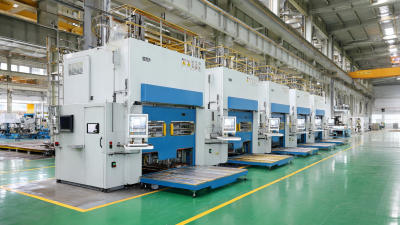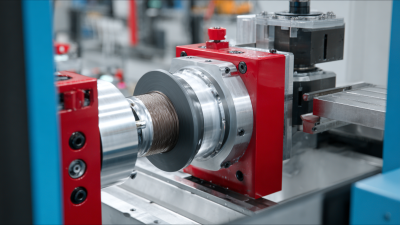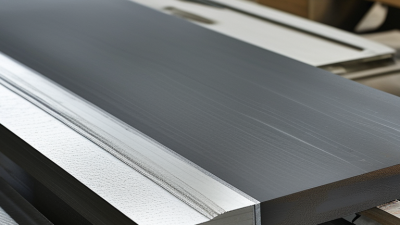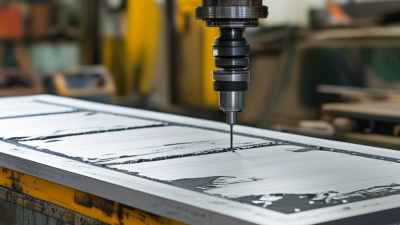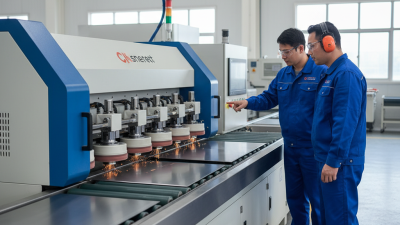
You might think that deburring is just a small finishing touch, but don’t underestimate its importance—those tiny rough edges can actually cause big issues with assembly, coating, and even how operators handle parts. For manufacturers, picking the right machine supplier isn’t simply about making a purchase; it’s a strategic decision. In 2023, the International Federation of Robotics reported over 4.28 million industrial robots working around the world—that's a 10% jump from 2022. While that number points to more factory automation overall, it doesn’t directly tell us about the demand for Deburring Solutions. Still, it highlights why paying attention to consistent, repeatable edge finishing is more important than ever.
So, is Newstec Deburr a top candidate for a reliable Chinese Deburring Machine supplier? Honestly, just looking at product photos or slick brochures won’t cut it. You really need to compare the machines based on their capabilities, which materials they support, how consistent the cycle times are, options for abrasives or tooling, safety features, and how quickly they can respond to service needs. It’s also a good idea to ask for test results using parts similar to yours—like a stamped steel bracket, a laser-cut aluminum panel, or a batch of machined components. Those small details matter a lot. Specs listed on a website are helpful, but nothing beats testing the machine in real production conditions. When evaluating Newstec Deburr, keep in mind those practical factors—customer references, solid technical documentation, and actual test results matter just as much.
Since ‘Metal Deburr’ covers a pretty wide range of processes, one machine might not be suitable for every kind of edge, alloy, or production volume. Plus, some information online can be hard to verify, so it’s good to recognize that limitation. This article digs into what info you can really rely on, what you should check through direct validation, and whether Newstec Deburr deserves a spot on your shortlist of options. Ultimately, making the right choice means looking beyond just the surface and digging into the details that matter in real-world use.
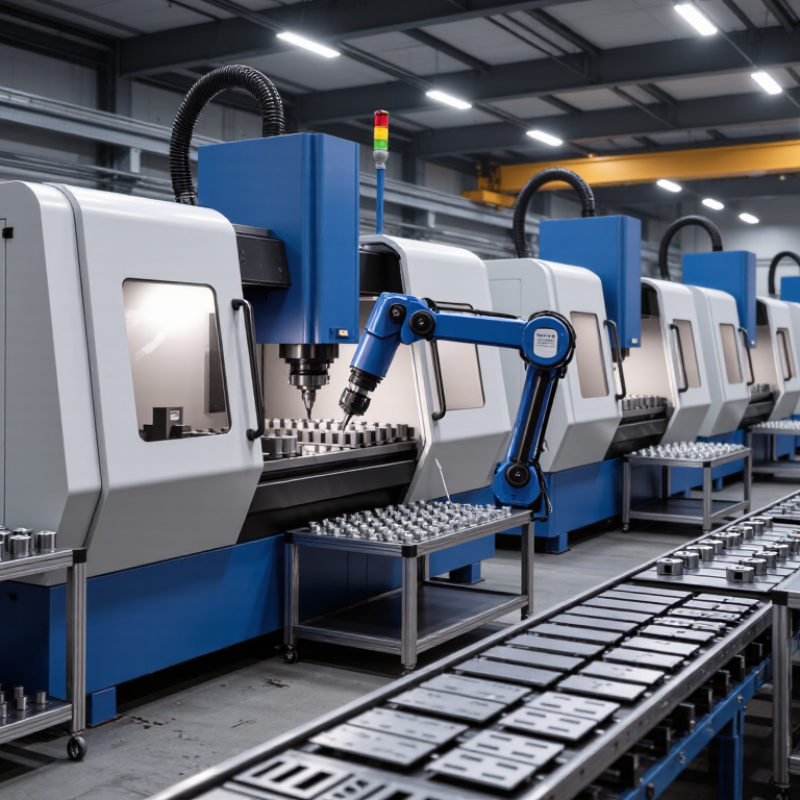
What defines a leading Deburring Machine supplier in China is more than a broad product range or a polished catalog. A capable supplier asks about the material, part geometry, burr location, and required edge finish before recommending equipment. Those details shape the choice of brushing, grinding, or other processes.
A reliable supplier explains machine limits clearly, including setup time, consumable wear, and the maintenance skills operators will need. Ask for cycle-time data and a practical demonstration, not just a headline capacity figure. Good technical support should include installation guidance, operator training, and clear responses when results vary.
For buyers handling different batches, the ability to adjust pressure and feed speed can help Deburr Parts without removing too much material. Still, no machine suits every shape. A test may reveal that some recessed areas need a separate finishing step. That is useful information, even if it complicates the purchase. Judge the supplier by evidence, communication, and whether its proposed process fits the parts you actually make.
A supplier’s name alone cannot confirm machine capability. Verify each model using a dated catalogue, specification sheet, or machine nameplate. Check the working width, feed speed, abrasive configuration, and dust-collection requirements. These details help buyers compare machines against actual production needs. Model names can change, so confirm the exact code before requesting a quotation.
Process claims need evidence, too. Ask whether the equipment supports burr removal, edge rounding, oxide removal, or surface finishing, and request sample results. A close-up photo may show the edge, but it cannot prove consistency across a full batch. Material compatibility should be confirmed for the specific grade and thickness, such as carbon steel, stainless steel, or aluminum. Results can vary with burr size, abrasive choice, and feed settings. That part is easy to overlook.
Tips: Send representative parts and define the required edge condition. Request a trial report with before-and-after images, settings, and cycle time. Small samples help, but they may not reflect a busy production shift. Be cautious when evidence lists materials without thickness ranges or process conditions.
ISO 13715:2017 covers edges of undefined shape and explains how their conditions can be shown on technical drawings. Its notation helps distinguish material left beyond a theoretical sharp edge, such as a burr, from material removed to create an edge break. The drawing should state the permitted limits; the standard does not replace a shop-specific inspection plan.
Small details matter. A thin burr around a drilled hole may catch light, yet remain difficult to judge by eye. Inspectors can use consistent lighting, magnification, and a suitable measuring tool to compare the actual edge with the drawing requirement. The chosen method depends on the part’s shape, tolerance, and access. A visual check alone may miss a small projection, especially on a dark or rough surface.
Clear limits also reduce guesswork between machining and inspection teams. Record the drawing reference, inspection method, and results so another person can repeat the check. In practice, teams can be too optimistic about what “smooth” means. That word is not a measurable limit. Specify the edge condition and its acceptable deviation, then verify the finished part against those requirements.
For buyers comparing Chinese deburring-machine suppliers, capacity should mean stable output on their actual parts, not a headline figure. Ask how throughput changes with alloy, thickness, edge condition, and loading method. A line rated for many parts per hour may slow when operators handle mixed batches or inspect edges manually. Numbers need context.
Request a timed trial using representative components, including the largest and most delicate pieces. Record feed speed, changeover time, and rejects; these reveal whether quoted capacity fits a real shift.
Finish quality deserves equal scrutiny. Define the required edge condition, not merely “smooth”: specify acceptable burr height, corner radius, and surface roughness where relevant. Ask for before-and-after samples from the same material, then inspect holes, slots, and hidden edges under consistent lighting. Small details matter.
A polished sample can mislead if production parts vary. Ask how abrasive wear, pressure, and maintenance affect results over time. Also check whether settings can be adjusted without lengthy setup. A supplier may meet the target on one part yet struggle with mixed geometries. That is worth admitting early.
Request a repeat run after normal production hours, then compare finish and throughput against agreed tolerances. This turns capacity and finish into evidence buyers can verify.
When evaluating a Deburring Machine supplier in China, ask for the actual ISO 9001:2015 certificate, not just a logo on a brochure. Check the certificate number, registered company name, issuing body, scope, and expiry date. The scope should cover relevant activities, such as machine design or manufacturing, and identify the production site. Check the scope carefully.
A certificate is useful evidence, but it does not prove that every machine will perform consistently. Verify the issuing body independently and ask whether the certificate remains valid. Then connect the paperwork to the equipment: request inspection records, process-control examples, and a sample test report for your material and edge condition. A Deburr Machine may leave different results on thin sheet and heavy plate. Ask how operators measure burr height and document adjustments. Some buyers overlook this practical link. I would also compare the certificate’s company details with the quotation and factory address; mismatches may be innocent, but they deserve a clear explanation. A polished scan is not the whole story. Look for dated records and specific answers, while recognizing that a brief review cannot replace an on-site audit.
A Deburring Machine’s physical safeguards and its noise controls solve different problems. Guards, interlocks, and emergency stops help reduce contact with moving parts. They do not automatically reduce sound exposure. A machine can be safely enclosed against access yet still produce a loud, steady abrasive hiss.
NIOSH recommends an 85 dBA eight-hour time-weighted average exposure limit, using a 3 dB exchange rate. This is a recommended exposure limit, not a guarantee that every worker faces the same risk. Sound levels vary with the abrasive process, material, maintenance, and nearby equipment. A handheld meter reading near the machine may miss changes across a full shift. Measure at the worker’s position, and consider personal dosimetry when exposure varies. Small details matter: a worn wheel, open access panel, or rattling extraction duct can change the noise picture. An enclosure, quieter process, or improved maintenance may help, but each needs verification. Hearing protection can be useful, though fit and consistent use are imperfect in real shops. Recheck after changes. One measurement is rarely the whole story.
The NIOSH Recommended Exposure Limit (REL) is 85 dBA for an 8-hour workday, using a 3 dB exchange rate. At higher noise levels, the equivalent recommended exposure duration decreases. These are exposure guidelines, not measurements of any particular machine; assess actual workplace noise and applicable safeguards.
A supplier’s ranking should rest on verifiable performance, not polished product photos. The International Federation of Robotics’ World Robotics 2024 report recorded 541,302 industrial robot installations worldwide in 2023. This signals rising automation demand, but it does not rank deburring-machine suppliers. Buyers need evidence specific to edge finishing.
Compare documented installations, repeat orders, service response times, and machine specifications. Request a sample run using your actual workpiece. Inspect the edges under consistent lighting, then check surface roughness against the stated tolerance. Ask for test conditions, not just a result sheet. Independent certification and traceable customer references add credibility, though neither guarantees a suitable finish. A ranking is hard to trust when its scoring method or comparison group is missing. That detail is often overlooked.
Tip: Ask for a trial on a part with similar material, burr size, and geometry. Photograph the same edge before and after, and keep the settings. Small differences matter. A supplier may look strong on paper, yet deliver uneven results on thin sheet or tight corners. That deserves a second look.
| Evaluation Dimension | Evidence to Request or Verify | Why It Matters | Current Evidence Status |
|---|---|---|---|
| Manufacturing capability | Factory audit, production-process records, equipment list, and evidence distinguishing in-house manufacturing from outsourced work. | Helps assess production control, capacity, and the supplier’s ability to maintain consistent quality. | Not established by the information available here |
| Product range and application fit | Machine models and documented specifications, such as workpiece dimensions, compatible materials, processing method, and stated capacity. | A broad catalogue alone does not establish suitability; specifications should match the buyer’s parts and process requirements. | Product-level documentation required |
| Deburring performance | Repeatable test results using representative workpieces, with stated material, initial condition, process settings, and acceptance criteria. | Shows whether the machine can meet the required edge condition and finish on the intended parts. | Independent or customer-witnessed test evidence required |
| Quality management | A current quality-management certificate that can be checked with its issuing certification body, including the site and scope covered. | Certification can support confidence in documented processes, but does not by itself prove machine performance or supplier ranking. | Certificate details not verified |
| Machine safety and compliance | Applicable risk assessment, safety documentation, electrical documentation, and destination-market conformity records. | Safety and regulatory requirements depend on the machine configuration and the market where it will be installed. | Model- and market-specific records required |
| Installation base and export experience | Reference installations, shipment records, or customer references that can be independently confirmed, with permission to contact references. | Verifiable operating history is more informative than unsubstantiated claims about customer numbers or export reach. | No independently verified figures available here |
| After-sales support | Written warranty terms, response-time commitments, spare-parts arrangements, service coverage, and training scope. | Support affects uptime and the total cost of ownership after delivery. | Contract terms and service coverage required |
| Independent reputation | Traceable customer reviews, third-party evaluations, or industry references with identifiable dates and sources. | Independent, attributable evidence is stronger than anonymous testimonials or unsupported ranking statements. | No ranking evidence verified here |
Assessment: A “top supplier” ranking cannot be confirmed from the criteria alone. It requires current, comparable evidence across product performance, manufacturing, compliance, customer references, and after-sales support.
They should ask about material, part shape, burr location, and required edge finish. These details guide process selection.
Request a trial using actual workpieces. Inspect the edges under consistent lighting. Small marks matter.
Time a representative production run. Record feed speed, changeover time, and rejected parts, especially across mixed batches.
Throughput may drop when parts vary in size or operators inspect edges manually. Numbers need context.
Define acceptable burr height, corner radius, and surface roughness where relevant. “Smooth” is too vague.
Check holes, slots, corners, and hidden edges. A polished sample can still miss difficult spots.
Ask about setup time, abrasive wear, maintenance skills, and adjustment options. No machine fits every shape.
Request a repeat run after normal production hours. Compare finish and throughput with agreed tolerances. It may still vary.
A reliable assessment of Newstec Deburr should look beyond supplier claims and examine verifiable details: available machine models, deburring processes, compatible materials, production capacity, and achievable surface finish. Buyers should also define acceptable edge conditions clearly and inspect finished parts against the relevant technical criteria, so that performance can be judged against the requirements of each application.
The evaluation should seek documented evidence of quality-management certification and review machine safeguards, including whether operating noise is controlled with reference to an 85 dBA, eight-hour exposure benchmark. Ultimately, Newstec Deburr’s standing among Chinese suppliers depends on the completeness and credibility of its evidence, along with consistent results in practical production. Clear specifications, test data, and transparent documentation can help buyers determine whether its equipment is a suitable fit.