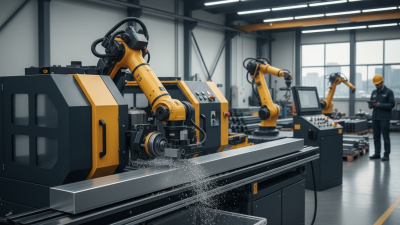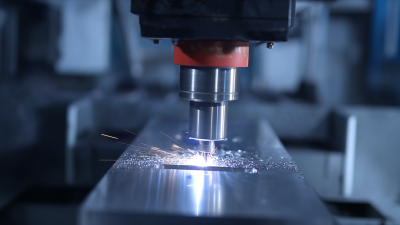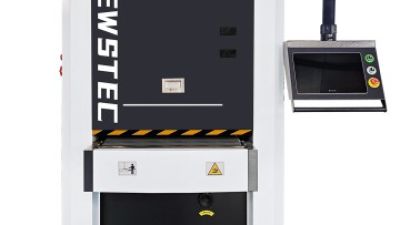
Picking out a Steel Deburring Machine isn’t just about comparing prices, motor specs, or glossy product photos. It’s way more than that. The right machine needs to fit your specific steel grade, the size of your parts, the condition of the edges, and how much you’re planning to produce each day. For example, a slim laser-cut bracket might require a completely different approach compared to a thick plasma-cut plate. That stuff really matters, even if it feels small.
When you actually test these machines out, things like burr size, heat generation, abrasive wear, and how smooth the surface finish turns out tend to tell you much more than what you see in a brochure. Instead of just looking at sample parts, ask your suppliers to process your real pieces—nothing generic. During a trial, pay attention to how long each cycle takes, how consistent the edges are, and also how noisy or dusty the machine gets. And don’t forget to see if operators can load parts easily and tweak settings without scratching their heads. Sometimes a machine that’s super fast might produce uneven edges, which can mean more inspection or rework later—a cost that’s easy to overlook.
When making a solid buying choice, think about maintenance access, how easy it is to get replacement parts, the quality of tech support, and how much energy it uses. Before you sign on the dotted line, give everything a good visual check—guards, emergency stop buttons, extraction systems, and electrical diagrams. Make sure the machine’s actual working width and maximum thickness match your real-world needs—not just what the specs say on paper. It’s tempting to go for the highest advertised capacity, but keep in mind that might only apply to certain materials or ideal setups.
Also, carefully review the warranty details and ask about training—you want to be clear on how you’ll learn to operate it properly. I’ve seen some promising-looking equipment underperform simply because the abrasive belt wasn’t the right choice or because operators didn’t get proper hands-on guidance. That kind of thing really makes a difference. Taking the time to compare these ten tips will help you avoid surprises and make your steel fabrication process safer, more consistent, and a lot less stressful.
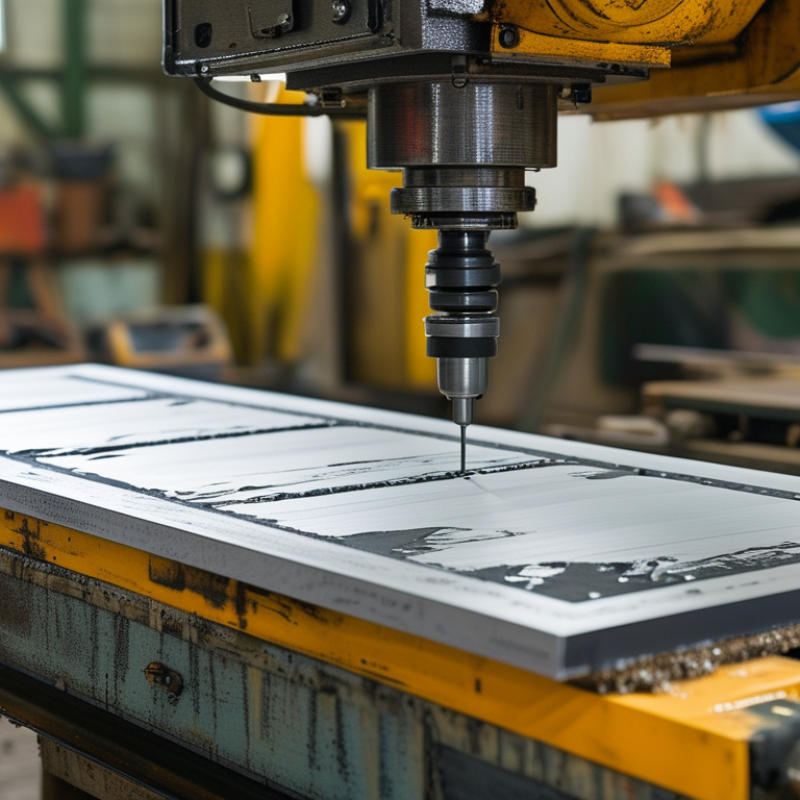
Steel deburring begins with a clear definition of the job, not with machine power. Record the steel grade, sheet thickness, cutting method, burr direction, and daily production volume. Laser-cut mild steel may need a different process than plasma-cut stainless steel. Small parts also need careful handling.
Define the edge you actually require. Is the goal a safe edge, a clean cosmetic edge, or a measured radius?
A 0.2 mm edge break may suit painted panels, while a larger radius may protect operators during assembly. State acceptable burr height, edge radius, surface marks, and dimensional limits.
Use drawings, sample parts, and inspection photos when possible. Vague terms create expensive disagreements.
Ask the supplier to process your real parts before purchase. Check both sides of the sheet, especially around holes and narrow slots. Measure results with a radius gauge, microscope, or suitable profile tool.
Then inspect several parts after a longer run, not only one perfect sample. I have seen trials look excellent for ten minutes, then lose consistency as abrasive media wears. That detail is easy to miss.
Your first requirement may also be wrong. Review rejected parts with production staff, because they often notice sharp corners that inspection sheets overlook. A reliable specification balances edge quality, throughput, maintenance time, and operator control.
Choosing the right Steel Deburring Machine starts with the part, not the catalog. A flat laser-cut plate may need a wide abrasive belt. Small stamped parts often benefit from vibratory tumbling. Tubes and narrow edges require controlled brushing or rotary tooling. The machine must match the burr location, edge length, and part geometry.
For stainless steel components, a Stainless Steel Deburring Machine should control heat and surface pressure. Excessive force can discolor thin edges or create unwanted rounding. Check the material thickness, hardness, and required edge radius before testing. I have seen operators select a powerful machine for speed, then lose accuracy on delicate parts. That choice looked efficient. It was not.
Production flow matters just as much. A continuous belt machine suits stable, high-volume work with consistent dimensions. Batch systems may be better when parts change frequently. Measure loading time, abrasive consumption, dust control, and inspection effort. Run sample parts through several settings. Record cycle time and edge quality with actual gauges, not visual judgment alone. A small trial is valuable.
Do not ignore downstream operations. Parts for welding may need a clean, lightly broken edge. Parts for coating may require more uniform surface preparation. Mixed steel grades can also behave differently. Review rejected parts after the trial. The first setting is rarely perfect, and that is useful information. Ask whether the machine protects the part while meeting the real production target.
Material compatibility is the first practical test. The World Steel Association’s World Steel in Figures 2025 reports nearly 1.88 billion tonnes of crude steel production in 2024. That volume reflects wide variation in grades, coatings, and surface behavior. A machine tuned for mild steel may struggle with stainless steel, galvanized sheets, or high-strength plate. Request trials using your actual material. Watch the edge closely. Excessive heat can discolor stainless steel, while aggressive brushing may damage protective coatings.
Part size and shape matter just as much. Measure minimum and maximum thickness, width, length, and weight before reviewing machine specifications. Include holes, slots, corners, and irregular contours. An Automatic Steel Plate Deburring Machine may process a large rectangle smoothly, yet leave burrs around a small internal cutout. Ask whether the conveyor supports narrow parts without tipping. Check the working height too. A heavy plate should enter steadily, not bounce against the rollers. ISO 21920-2:2021 provides standardized surface-profile terminology, which helps compare trial results and acceptance criteria.
Do not rely on catalogue speed alone. Energy use, abrasive life, dust collection, and changeover time affect operating cost. Industry 4.0 surveys, including the International Federation of Robotics’ World Robotics 2024 report, show continued investment in manufacturing automation, but automation does not remove process uncertainty. In our view, this is where buyers often misjudge equipment. A wider shape range can reduce manual work, but it may increase setup complexity. Record burr height before and after testing. Then inspect ten parts, not just one.
Capacity should match your real production mix, not an optimistic forecast. Record part dimensions, steel grades, burr height, batch size, and hourly demand. Then test representative samples, including the ugliest parts. A machine rated for 300 pieces per hour may achieve less with thick edges or frequent loading changes. Measure the burr. Measure the edge radius afterward. The wrong abrasive can remove too much material, creating costly rework.
Speed is not everything. Ask suppliers for cycle-time data under your actual conditions, including loading, unloading, tool changes, and inspection. Calculate effective throughput: accepted parts divided by total operating hours. This exposes impressive but incomplete cycle-time claims.
A 2024 report from the International Federation of Robotics recorded 541,302 industrial robot installations worldwide in 2023. That growth supports automated handling, but automation only helps when the process remains stable.
Check whether the machine supports automatic part detection, recipe storage, tool-wear monitoring, and reject separation. These features reduce operator variation and improve traceability. The U.S. Department of Energy reports that compressed-air systems can waste 20–30% of their output through leaks and poor maintenance. Therefore, review air consumption, extraction requirements, and standby energy before comparing prices. A fully automated cell may still be wasteful if utilities are oversized. That assumption can fail. Request a time study, maintenance schedule, noise data, and sample results. Leave room for manual intervention; steel production rarely behaves perfectly.
Surface finish accuracy is often the real test of a Steel Deburring Machine. A part may look bright under workshop lights, yet still contain sharp edges or uneven radii. ISO 21920 recommends clear profile-based measurement practices for surface texture evaluation. Use a calibrated profilometer, not eyesight alone. Record Ra, Rz, edge radius, burr height, and measurement location. Small differences matter when parts must fit tightly.
Deloitte’s 2024 Smart Manufacturing and Operations Survey found that 86% of manufacturing leaders consider smart manufacturing important for competitiveness. That priority also applies to deburring control. A stable machine should produce similar results across shifts, operators, and material batches. Check at least 30 consecutive parts during validation. Track tool wear, feed speed, pressure, abrasive condition, and cycle time. I have seen acceptable samples fail later because operators adjusted pressure by feel. That approach is fast, but not reliable.
Tip: Ask for process capability data, not only sample photographs. Review Cp and Cpk values against your tolerance. A Cpk near 1.33 is commonly used as a practical target, but your risk level may require more. Test mild steel, hardened steel, and parts with holes or corners. Inspect before and after cleaning. Also check whether the finish changes near welds and narrow slots. One weakness remains: laboratory results may not match your production floor. Repeat the trial using your actual batch sizes, fixtures, coolant, and inspection method.
A practical evaluation framework for comparing Steel Deburring Machines. Scores use a 1–10 purchasing priority scale, where 10 represents the highest importance for stable, repeatable production.
Surface-finish control, abrasive or tool consistency, and process repeatability receive the highest priority because they directly affect part quality, rework, and downstream assembly. Buyers should also verify adjustment range, dust extraction, safety features, maintenance access, throughput, energy use, and total operating cost before selecting equipment.
When evaluating a High Efficiency Steel Plate Deburring Machine, safety systems deserve more than a checklist. Confirm that the guarded infeed, emergency stops, and interlocked doors are visible and easy to test. Test every stop during acceptance. Ask whether the machine detects a missing guard or an unexpected restart. Clear alarms matter. An operator should understand each fault without searching through dense manuals. Bright lighting around the work zone also helps reveal sharp edges and trapped scrap.
Review maintenance access before comparing cycle times. Can technicians reach belts, brushes, filters, and electrical panels without climbing over the frame? Tool-free panels save time, but they must close securely after service. Check lubrication points, replacement intervals, dust extraction needs, and spare-part availability. Request a sample maintenance schedule with labor estimates. Real shop experience shows that neglected extraction systems can reduce finish quality and increase cleanup. That risk is easy to underestimate. A low purchase price can hide demanding upkeep.
Operator access is equally practical. The loading height should suit the people using the machine, not only the factory layout. Controls need glove-friendly buttons, readable status lights, and a simple reset sequence. Leave enough space for plate handling and safe inspection. Watch a real operator run several plates. Do not rely on a polished demonstration. Notice twisting, reaching, noise, and hesitation. I once overlooked access space. That was a mistake. If access feels awkward for ten minutes, it may become exhausting after eight hours.
A Steel Polish Machine should be judged by its total ownership cost, not its purchase price. Calculate the machine, tooling, installation, training, freight, and spare parts. Then estimate electricity, abrasive use, labor, and scheduled maintenance. A cheaper Steel Deburring Machine may consume more media or require frequent manual adjustment.Look beyond the quote.
Record expected production hours each month. Multiply downtime by the value of delayed orders and idle operators. Include ventilation, floor preparation, and waste handling. These costs often disappear from early spreadsheets. They should not. Numbers deceive. Use a three-year estimate, then test it against your actual workload. Leave room for higher energy prices and unexpected repairs.
Supplier support can protect that investment. Ask how quickly technical staff respond during a stoppage. Request written details about warranty coverage, training hours, spare-part availability, and remote troubleshooting. Visit a working installation if possible. Watch an operator load parts, change settings, and clean the machine. Small delays become expensive when repeated every shift. Support matters.
Ask the supplier to process your own steel samples before signing. Check edge quality, surface marks, cycle time, and abrasive consumption. Keep those results with the quotation. One practical trial is more reliable than polished sales claims. I would also ask for two customer references, although references can sound overly positive. An honest review should include learning time, common faults, and service delays.
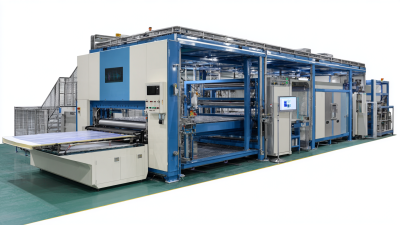
The 2025 metal fabrication outlook points to stronger demand for automation, consistent finishing, and flexible equipment. Grand View Research reports that the global metal fabrication equipment market is expected to expand at a steady compound annual growth rate through 2030, driven by manufacturing investment, infrastructure development, and the need to improve production efficiency. Within this trend, 800 mm Sheet Deburring Machines are well suited to workshops processing medium- and large-format flat components.
An 800 mm working width can support continuous edge treatment on carbon steel, stainless steel, aluminum, copper, titanium alloys, and other non-ferrous metals. The machine removes burrs and sharp edges created during laser cutting, punching, shearing, or plasma processing, while its chamfering function helps produce a more uniform and safer edge. It can also handle selected stone plates and plastics, making it useful for diversified fabrication lines. Industry 4.0 research from leading manufacturing analysts further emphasizes automated quality control and reduced manual handling as key priorities for 2025.
For manufacturers, this type of equipment can improve surface consistency, reduce rework, and prepare parts for painting, welding, coating, or assembly. Its application across flat parts and varied material thicknesses makes it a practical investment for job shops, metal service centers, and production facilities seeking stable throughput and repeatable finishing quality.
: Record part size, steel grade, burr height, batch size, and hourly demand. Test normal and difficult parts. Include thick edges. A rated capacity may fall during loading changes. Measure accepted pieces, not promised pieces.
No. Include loading, unloading, tool changes, inspection, and cleaning. Calculate accepted parts divided by total operating hours. That shows effective throughput. Fast cycles can hide slow handling.
Look for part detection, recipe storage, tool-wear monitoring, and reject separation. These features reduce operator variation. They also improve traceability. Automation fails when the process remains unstable.
Check electricity, compressed air, extraction, ventilation, and standby energy. Leaks can waste a noticeable share of compressed air. Review actual consumption before comparing prices. Oversized utilities can quietly increase operating costs.
Test guarded infeeds, emergency stops, interlocked doors, and restart protection. Alarms should be clear and easy to understand. Bright work-zone lighting helps reveal sharp edges and trapped scrap. Test every stop during acceptance.
Inspect belts, brushes, filters, electrical panels, and lubrication points. Technicians should reach them without climbing over the frame. Request replacement intervals and labor estimates. Easy access matters.
Watch someone load several real plates. Notice reaching, twisting, noise, hesitation, and inspection space. Controls should work with gloves. An awkward position for ten minutes may become exhausting after eight hours.
Include purchase, tooling, freight, installation, training, energy, abrasives, labor, repairs, and waste handling. Add ventilation and floor preparation. Use a three-year estimate. Leave room for unexpected downtime.
Ask for trials using your own steel samples. Check edge quality, surface marks, cycle time, and abrasive use. Request warranty terms, training details, spare-part timing, and support response times. Keep trial results with the quotation. Polished claims are not enough.
Choosing the right Steel Deburring Machine begins with clearly defining your deburring requirements, target edge quality, and acceptable surface finish. Consider the type, thickness, size, and shape of your steel parts, as well as how the machine will fit into your existing production process. Different machine configurations may be better suited to small batches, complex components, or continuous high-volume manufacturing. Evaluate processing capacity, operating speed, automation options, and the ability to deliver accurate, consistent results across different part sizes.
Beyond performance, review the machine’s safety systems, maintenance requirements, and operator access to support reliable daily use. A practical design can reduce downtime and simplify cleaning, adjustments, and routine servicing. Finally, compare the total ownership cost, including purchase, energy, consumables, labor, maintenance, and training expenses. Supplier responsiveness, technical guidance, spare-parts availability, and after-sales support should also influence your decision. A balanced evaluation will help you select equipment that improves productivity, quality, workplace safety, and long-term operating value.