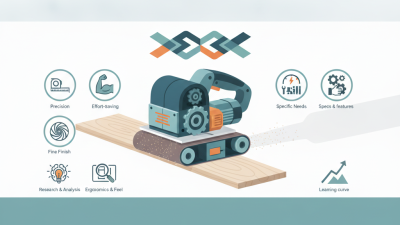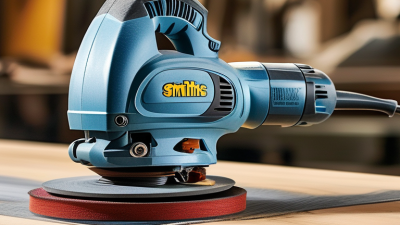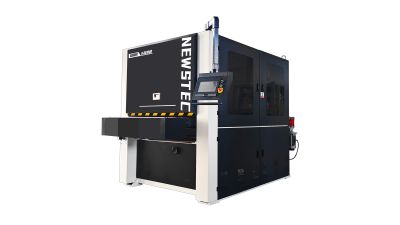
Choosing the right Industrial Belt Sander Machine supplier in China isn't just about comparing prices—there’s a bit more to it. You want someone dependable who’s got solid manufacturing experience, knows their tech stuff inside out, and keeps quality consistent. Think of this guide as a handy checklist for anyone looking to get sanding equipment for projects like metalworking, woodworking, furniture making, or industrial finishing.
Performance can really vary from one supplier to another, and those tiny details actually matter a lot. A seasoned manufacturer should be able to clearly explain things like the width of the abrasive belt, sanding speeds, motor power, how their tables are designed, how dust collection is handled, and what safety features are in place—nothing vague about it. You also want their product documentation to match the actual machine—covering electrical specs, maintenance tips, replacement parts, and so on. Getting factory visits, testing samples, and speaking with previous customers can tell you way more than just reading their fancy website. Plus, a trustworthy supplier should be upfront about customization options—realistic production timelines, installation support, and after-sales service—that sort of thing.
This overview is really about highlighting suppliers who combine good engineering skills with honest communication. Things like their manufacturing facilities, inspection routines, export experience, and how quickly they respond to technical questions all count. Don’t forget to ask for test results using materials similar to what you work with; a machine that handles soft wood well might not do so great with stainless steel. These differences matter more than you might think. Just a heads-up: no supplier ranking is ever set in stone, since quality and service levels can change over time. Also, keep in mind that some info they give might need a bit of independent checking. So, think of this guide as a helpful starting point—not a full guarantee. With a careful comparison, you’ll be able to find a China-based supplier who can deliver safe, reliable, and consistent finishing results, helping your long-term production stay smooth and cost-effective.
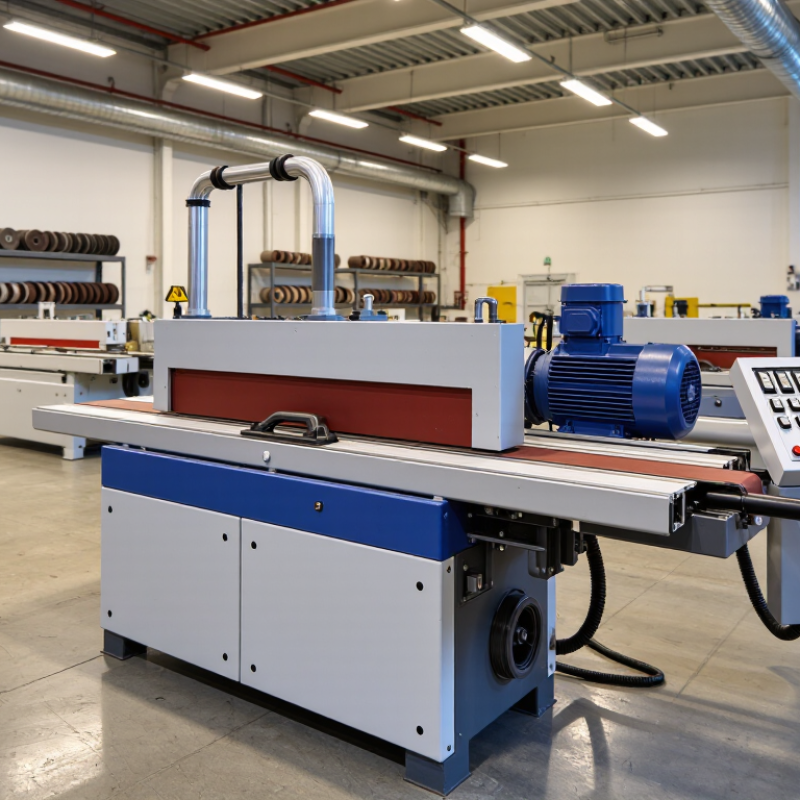
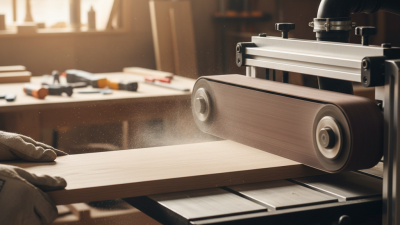
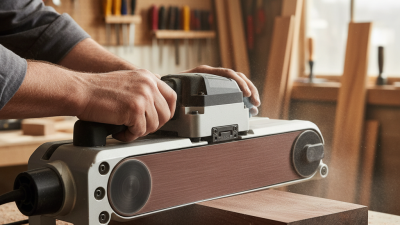
An Industrial Belt Sander Machine uses a continuous abrasive belt to remove material quickly from metal, wood, composites, or other workpieces. The belt runs around rotating wheels, usually across a contact wheel or flat platen. Operators can deburr a sharp edge, flatten a welded joint, or prepare a surface for coating. Belt speed, abrasive grain size, contact pressure, and belt width directly affect the result.
In practical workshops, coarse 40–80 grit belts remove stock rapidly, while 120–240 grit belts create a smoother finish. A stable tracking system matters. A wandering belt can damage an edge within seconds. Dust extraction is equally important, especially when sanding wood or engineered materials. OSHA limits respirable crystalline silica exposure to 50 micrograms per cubic meter over an eight-hour shift, although silica risk depends on the processed material. The machine still needs guarding, emergency stopping, and controlled workpiece handling.
Industry reports show why abrasive equipment remains important. Grand View Research estimated the global abrasives market at more than USD 50 billion in 2023, supported by manufacturing, transportation, and construction demand. That figure covers many abrasive products, not Belt Sanders alone. This distinction matters. Selecting a machine only by motor power can be misleading. In real use, belt tension, extraction capacity, vibration, and operator visibility often decide productivity. I have seen powerful machines produce poor finishes when the platen was misaligned.Performance requires adjustment, not just horsepower.
How Industrial Belt Sanders Work
An Industrial Belt Sander removes material with a continuous abrasive belt. The belt loops around a powered drive wheel and an idler wheel. A tension system keeps it firm, while a tracking mechanism prevents sideways drift. The workpiece meets the belt on a platen or contact wheel. Pressure and belt speed control the cutting action.
The abrasive grains act like thousands of tiny cutting edges. Coarse belts remove weld marks and scale quickly. Fine belts create a smoother finish. Too much pressure can overheat steel, load the belt, and leave dark streaks. That mistake is common in busy workshops. Cooling airflow and steady feeding help reduce heat, though operators still need practical judgment.
Energy use deserves attention when comparing Industrial Belt Sander suppliers. The U.S. Department of Energy’s 2022 Industrial Motor Systems Market Assessment reports that motor-driven equipment uses about 68% of industrial electricity. Efficient motors, correct belt tension, and clean bearings can reduce wasted power. OSHA also sets a permissible exposure limit of 5 mg/m³ for respirable dust as an eight-hour time-weighted average. Local extraction remains essential, especially during dry sanding. A 2023 market analysis by Grand View Research identifies metal fabrication as a major application area for industrial abrasives. That data supports demand, but it does not prove every machine suits every workshop. Belt width, tracking accuracy, dust control, vibration, and operator access require hands-on checking.
| Category | Data Dimension | Typical Industrial Value or Fact | Technical Relevance |
|---|---|---|---|
| Machine Function | Primary operation | Continuous abrasive-belt grinding, deburring, blending, finishing, and stock removal | The abrasive belt moves continuously over contact wheels or a platen while the workpiece is pressed against the abrasive surface. |
| Working Principle | Abrasive-belt motion | A motor drives a contact wheel; the wheel carries the endless abrasive belt around the machine frame | Relative motion between the abrasive grains and the workpiece removes material through cutting and controlled abrasion. |
| Abrasive Belt Speed | Linear belt speed | Approximately 15–30 m/s for many metalworking configurations | Higher speeds can increase cutting productivity, but the correct speed depends on the abrasive type, workpiece material, coolant, and finishing requirement. |
| Abrasive Belt Width | Common production range | Approximately 75–300 mm for common industrial belt-sanding machines | A wider belt provides a larger contact area and can improve productivity on flat, wide, or continuously fed workpieces. |
| Abrasive Belt Length | Typical machine configuration | Approximately 1,500–3,000 mm, depending on frame size and contact-wheel arrangement | The belt length affects belt life, heat distribution, tracking stability, and the available abrasive surface. |
| Drive Motor | Typical installed power | Approximately 3–15 kW for many production machines | Motor sizing depends on belt width, required stock removal, workpiece hardness, contact-wheel diameter, and duty cycle. |
| Contact Wheel | Construction and hardness | Rubber or polyurethane wheels with different groove patterns and hardness levels | Wheel hardness and surface profile influence cutting aggressiveness, conformability, finish quality, and belt wear. |
| Belt Tracking | Control method | Manual or pneumatic tracking using an adjustable idler or tracking wheel | Correct tracking keeps the belt centered, reduces edge damage, and helps prevent belt derailment during operation. |
| Belt Tension | Tensioning system | Spring-loaded, screw-adjusted, or pneumatic tensioning mechanisms | Stable tension is required for consistent contact, accurate tracking, efficient power transmission, and safe operation. |
| Workpiece Feed | Handling method | Manual contact, fixture-assisted positioning, or powered conveyor feed | Manual systems suit flexible batch work, while conveyor-fed systems provide more repeatable throughput and surface consistency. |
| Contact Pressure | Control approach | Operator-controlled, spring-assisted, pneumatic, or servo-controlled pressure | Controlled pressure helps maintain a consistent material-removal rate and prevents excessive heat or premature belt loading. |
| Typical Workpieces | Compatible materials | Carbon steel, stainless steel, aluminum, copper alloys, wood, plastics, and composite materials | The abrasive grain, backing, belt speed, and coolant must be selected for the specific material and desired surface finish. |
| Abrasive Grain | Common grain materials | Aluminum oxide, silicon carbide, zirconia alumina, ceramic alumina, and diamond | Grain selection affects cutting speed, service life, heat generation, finish quality, and suitability for hard or heat-sensitive materials. |
| Grit Selection | Typical progression | Coarse grit for stock removal; medium grit for blending; fine grit for finishing | Common abrasive grading systems use lower grit numbers for coarser abrasives and higher grit numbers for finer abrasives. |
| Surface Finish | Resulting finish | The final finish depends on grit size, abrasive type, belt speed, contact pressure, feed rate, and workpiece material | Using progressively finer belts and consistent feed conditions generally produces a smoother and more uniform surface. |
| Heat Management | Thermal control | Dry grinding or wet grinding with coolant, depending on material and process requirements | Coolant, intermittent contact, suitable belt speed, and controlled pressure can reduce discoloration, distortion, and thermal damage. |
| Dust Collection | Extraction arrangement | Capture hood connected to a dust collector or central extraction system | Effective extraction helps control airborne particles and is especially important when grinding metals, wood, composites, or coated materials. |
| Safety Equipment | Typical protective features | Belt guards, emergency stop, interlocked covers, spark control, eye protection, and appropriate respiratory protection | Safeguarding should prevent access to moving parts and reduce exposure to abrasive fragments, sparks, noise, and airborne dust. |
| Electrical Supply | Common industrial options | Three-phase AC power; voltage and frequency depend on the installation region and machine design | Actual electrical requirements must be confirmed from the machine nameplate, motor rating, control system, and local electrical regulations. |
| Productivity Factors | Key performance variables | Belt speed, abrasive grain, belt width, contact pressure, feed rate, workpiece geometry, and cooling method | Productivity cannot be judged from motor power alone; the complete abrasive process and workpiece handling method must be evaluated. |
| Supplier Evaluation | Important technical checks | Rated power, belt dimensions, speed range, tracking system, tensioning method, guarding, extraction interface, documentation, and spare-part support | Comparing documented specifications and sample results is more reliable than comparing machine price alone. |
| Applicable References | Relevant technical topics | Abrasive-product safety, machinery guarding, electrical safety, dust control, noise, and risk assessment | Applicable requirements depend on the machine type, country of installation, workpiece material, abrasive product, and workplace regulations. |
Note: The numerical values shown are typical engineering ranges for industrial belt-sanding configurations rather than guaranteed specifications for every machine. Final selection should be based on the workpiece material, required removal rate, target surface finish, duty cycle, abrasive-belt manufacturer recommendations, and applicable workplace-safety requirements.
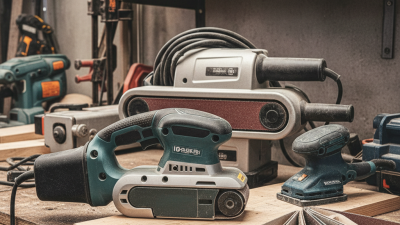
China’s industrial belt sander suppliers typically offer several machine types for different production tasks. Portable handheld sanders suit repair work, weld smoothing, and small metal parts. Stationary belt sanders provide better control for repeated workshop operations. Wide-belt sanders are built for panels, doors, and calibrated wood surfaces. They remove material quickly, but require accurate feed pressure and dust extraction.
Tube and pipe belt sanders use flexible contact arms around curved surfaces. They are useful for stainless-steel rails, frames, and fabricated tubes. Edge belt sanders focus on straight edges and narrow components. Wet belt models reduce heat during stainless-steel finishing, although they need corrosion-resistant electrical protection. The labels are not always consistent. Buyers should inspect working width, belt speed, motor duty rating, and abrasive replacement time.
Market data supports careful specification. Fortune Business Insights estimated the global power tools market at about US$32 billion in 2023, with industrial applications remaining a major demand area. A 2024 Grand View Research report also identifies automation and manufacturing productivity as important equipment trends. These figures cover broader power tools, not belt sanders alone. That distinction matters. In supplier audits, request test videos, noise readings, emergency-stop details, and sample results on your actual material. Chinese factories may offer custom tables, variable-speed drives, and export-ready documentation, but quality can vary between identical-looking models. A small trial order is wiser than trusting a polished catalog.
China remains a major sourcing base for industrial sanding equipment. UNIDO’s 2024 Industrial Development Report places China near 31% of global manufacturing value added. That scale supports strong machining, motor, and abrasive supply chains. However, production volume does not automatically prove machine quality. Buyers should inspect welds, guarding, belt tracking, and emergency-stop response.
A reliable supplier should provide test videos and measurable specifications. Look for belt widths, motor power, surface speed, and dust-control performance. Details matter.
The industrial abrasives market is expanding steadily, according to Grand View Research’s 2024 market analysis. Its findings highlight metal fabrication, automotive work, and general manufacturing as important demand areas. Chinese suppliers serving these sectors often offer custom tables, variable-speed drives, and narrow-belt configurations.
An Industrial Belt Grinder may suit heavy stock removal, while a conventional belt sander may provide finer finishing. Ask for sample results using your actual steel grade. Request noise, vibration, and temperature records after continuous operation.
Do not rely only on catalog claims. I would also compare spare-part lead times, electrical compliance documents, and technician support. A cheaper quotation can hide costly downtime. This is where careful factory evaluation remains necessary.
Comparing Chinese industrial belt sander suppliers requires more than checking the lowest quotation. Grand View Research valued the global power tools market at approximately USD 41.7 billion in 2023. Its projected growth suggests rising pressure on manufacturers to improve durability, safety, and energy performance. Ask each supplier for motor ratings, belt speed, sanding width, dust extraction data, and continuous-duty test results. Numbers should match the machine’s actual configuration.
Factory experience matters. Request production photographs, inspection records, and a live video test using your material. Check whether the frame remains stable under load and whether belt tracking needs frequent adjustment. ISO 12100 risk-assessment principles provide a useful safety reference, while ISO 13849 can guide evaluation of control-system reliability. A serious manufacturer should explain emergency-stop design, guarding, electrical protection, and replacement-part availability without vague promises.
Audit the details. Compare steel thickness, bearing sources, motor efficiency, warranty terms, and packaging protection. Intertek’s industry guidance repeatedly stresses traceability and documented quality control for machinery procurement. However, certificates alone are not proof of consistent production. I would inspect three finished machines, not one sample. Some suppliers disclose excellent specifications but provide weak after-sales support. That gap is easy to miss. Keep a scoring sheet, record every technical change, and require written acceptance criteria before payment.
When evaluating China’s industrial belt sander machine suppliers, quality should be measured beyond polished photographs. A reliable supplier can provide material certificates, inspection records, and clear testing procedures. Ask how each machine is checked before shipment. Important points include belt tracking, emergency-stop response, guard strength, motor temperature, and dust-extraction performance. Welds should look even, with no sharp edges around the work area. The sanding table must remain stable under pressure. Small details matter.
Request a practical factory test using your actual material, abrasive grade, and target finish. A supplier should explain belt speed, contact-wheel hardness, feed direction, and expected surface tolerance. Customization may include belt widths, working lengths, variable-speed drives, table height, voltage, control systems, and multiple dust ports. Automatic feeding is useful for repeated production, but it can increase maintenance needs. Think carefully.
Some options are costly mistakes.
If polishing is also required, confirm whether an Industrial Buffing Machine should be integrated into the line or purchased separately. A dependable supplier will discuss compatibility instead of promising everything. Require drawings before production, including electrical layouts and replacement-part dimensions. Check whether operators can access bearings, belts, and filters without unsafe shortcuts. Even experienced buyers sometimes overlook noise levels and floor-space requirements. I would also question vague claims about “high precision.” Precision needs numbers, test methods, and recorded results. Suppliers that accept technical questions calmly are easier to trust.
China Top Industrial Belt Sander Machine Suppliers?
Choosing an Industrial Sanding Machine supplier requires more than comparing prices. Start with your material, sanding width, abrasive type, and expected daily output. A machine for solid wood may fail on coated panels without suitable pressure control. Ask for test samples using your actual boards. Check belt tracking, emergency stops, dust extraction, and motor protection.
The U.S. Department of Energy reports that compressed air can consume about 10% of industrial electricity, while system leaks may waste 20–30%. This matters when a supplier proposes pneumatic components. Request measured energy data, not attractive estimates. Also review factory acceptance tests, spare-parts availability, operator training, and response times. A lower purchase price can become expensive after repeated belt misalignment. I have seen buyers overlook maintenance access. That mistake is hard to reverse.
Tips: Compare at least three suppliers using the same technical specification. Require sanding samples, noise readings, and dust-capture results. Ask for references from factories with similar materials. Confirm whether quoted capacity reflects continuous production or short demonstrations. Check warranty exclusions carefully. No checklist is perfect. Leave room for practical judgment. Use ISO 9001 certification as supporting evidence, not final proof. Review audit records, calibration practices, and production consistency. A supplier should explain weaknesses clearly. Vague promises deserve caution.
Use this practical evaluation framework to compare industrial belt sander suppliers. The weighting emphasizes performance, workplace safety, dust control, after-sales support, and total ownership cost rather than company or brand names.
Recommended priorities: verify abrasive-belt capacity and removal performance first, then confirm guarding and emergency-stop provisions, dust-extraction compatibility, spare-parts availability, and the complete cost of ownership.
When choosing a 1300mm metal deslagging machine from China, begin by matching the working width and processing capacity with your production requirements. A 1300mm model is suitable for handling wide metal sheets and multiple smaller components, helping suppliers and factories improve throughput. Check whether the machine can process carbon steel, stainless steel, and other commonly used metals, especially parts produced by plasma or flame cutting. Adjustable grinding pressure, stable feeding, and effective dust extraction are important features for removing stubborn slag without damaging the finished surface.
A well-designed metal deslagging machine should provide consistent results across different thicknesses and part shapes. Look for durable abrasive belts or brush systems, easy control-panel operation, quick consumable replacement, and reliable safety protection. These features can reduce manual grinding, improve workplace efficiency, and create a smooth, clean surface that is ready for painting, welding, coating, or other manufacturing stages.
When sourcing from China, evaluate the supplier’s manufacturing experience, quality-control process, technical documentation, and ability to provide installation guidance and spare parts. Ask for sample testing with your own plasma- or flame-cut components to confirm slag-removal performance. Clear information about motor power, conveyor speed, machine dimensions, delivery terms, and customization options will also help you select a 1300mm machine that fits your production line and long-term metal-finishing needs.
It uses a continuous abrasive belt to remove material quickly. It can deburr edges, flatten welds, and prepare surfaces for coating. The belt moves around rotating wheels. A contact wheel or flat platen supports the workpiece.
Common materials include metal, wood, composites, and other workpieces. Each material needs suitable pressure and abrasive selection. Coated panels may require better pressure control than solid wood. One setting rarely fits everything.
Coarse 40–80 grit belts remove material rapidly. Finer 120–240 grit belts produce smoother surfaces. A coarse belt can leave visible scratches. That may be acceptable for stock removal, but not final finishing.
Belt tracking, tension control, vibration, extraction capacity, and operator visibility matter greatly. A powerful motor cannot fix a misaligned platen. Stable tracking protects edges from sudden damage. Horsepower alone can mislead buyers.
Look for guarding, emergency stopping, motor protection, and controlled workpiece handling. Dust extraction is important when sanding wood or engineered materials. Fine dust can create serious breathing risks. Never treat extraction as optional.
Provide the supplier with your actual material, sanding width, abrasive type, and daily output. Request test samples using your own boards or parts. Check belt tracking, emergency stops, extraction performance, and maintenance access. Ask for clear weaknesses, not only promises.
Request sanding samples, noise readings, dust-capture results, and measured energy data. Confirm whether capacity means continuous production or a short demonstration. Ask for references from factories using similar materials. Demonstrations can look better than daily production.
Review spare-parts availability, training, response times, warranty exclusions, and maintenance requirements. Pneumatic components may increase energy use when leaks occur. Repeated belt misalignment can make a cheaper machine expensive. I might still underestimate downtime without service records.
An Industrial Belt Sander Machine is a powerful finishing system designed to remove material, smooth surfaces, and prepare metal, wood, or other workpieces for further processing. It operates by moving an abrasive belt continuously across the workpiece, while adjustable speed, pressure, and belt grit determine the cutting and finishing results. Chinese manufacturers commonly produce wide-belt, narrow-belt, heavy-duty, automatic, and customized models for different production environments and material requirements.
When evaluating Chinese suppliers, buyers should compare machine structure, motor performance, belt dimensions, dust-control design, safety features, production capacity, quality-control procedures, and after-sales support. It is also important to confirm compliance with applicable safety and quality standards, availability of replacement parts, delivery capability, and options such as variable-speed control, automated feeding, special abrasives, or customized working widths. The right supplier should offer stable performance, reliable technical communication, reasonable operating costs, and a machine configuration that matches the buyer’s workload, materials, workshop space, and long-term production goals.