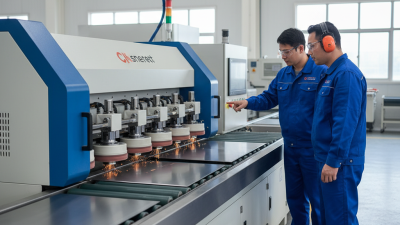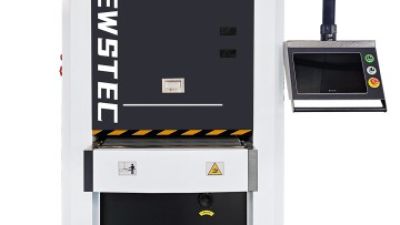
Picking the best Plate Sheet Polishing Machine isn’t just about looking at motor power or shiny photos online. Honestly, a good decision depends on stuff like the type of material, the size of the plate, the surface condition, and the kind of finish you need. Different metals—like stainless steel, aluminum, or carbon steel—react quite differently when you’re working with them. For example, a machine that works perfectly on thin aluminum might leave heat marks or imperfections on thicker stainless steel sheets. It’s all about the right match.
You know, Dr. Michael P. Groover, a well-known manufacturing educator, really gets it when it comes to practical production systems. His rule of thumb: “A good process should be repeatable, measurable, and suited to the part.” That’s a big deal here. Seeing a polished sample is great, but it’s not the whole story. You really need to check things like belt stability, abrasive control, dust collection systems, safety guards, and how easy it is for operators to work with the machine. Sometimes, it’s the tiny details that make all the difference.
Take a close look, for sure.
An Automatic Deburring Machine can quickly remove sharp edges and make things safer, but it might not give you that nice, decorative shine you’re after. On the flip side, a fully Automatic Deburring Machine can speed things up, though you’ll still need someone skilled to program and maintain it properly. For workshops that deal with different kinds of orders, a combo machine—one that handles both edge finishing and surface polishing—could be a real game-changer. It helps cut down on handling time and keeps things flowing smoothly.
Now, let's be real: production isn’t perfect all the time. Plate thickness can vary a little, abrasive belts tend to wear unevenly, and operators might tweak the pressure—they’re all part of the game. Ignoring these little quirks isn’t smart, because the best machines are the ones that handle these issues reliably, give consistent results, and fit into your actual workflow. This guide walks you through those factors before pointing you toward any specific equipment.
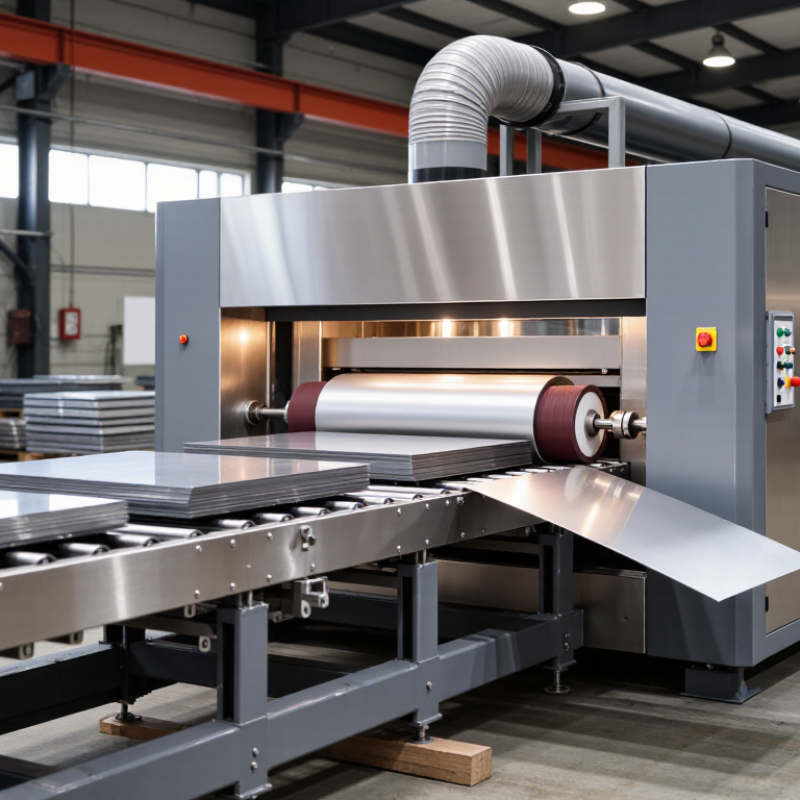
A Plate Sheet Polishing Machine is industrial equipment designed to improve the surface quality of metal plates and sheets. It uses abrasive belts, wheels, or brushes to remove scratches, oxidation, mill scale, and minor burrs. The machine can create a brushed, satin, or smoother finish, depending on the abrasive selection and working speed. Its core purpose is controlled surface treatment, not cutting or shaping. That distinction matters during equipment selection.
In practical workshops, operators feed stainless steel or aluminum sheets through adjustable polishing heads. Pressure rollers keep the material stable while abrasive tools contact the surface evenly. A well-set machine leaves consistent lines across a large sheet. Poor alignment may create cloudy patches, edge marks, or uneven gloss. Small changes in pressure can affect the final appearance. It is not magic.
Experienced technicians usually check sheet thickness, width, hardness, and required finish before choosing a configuration. Dust extraction is also important because polishing produces fine particles and abrasive residue. Safety guards, emergency stops, and clear operating procedures support reliable daily use. Maintenance records can reveal worn bearings, damaged belts, or unusual vibration before defects increase. However, even a capable machine may need manual inspection after polishing. Human judgment remains useful, especially when surface requirements are strict. One overlooked issue is heat buildup, which can discolor thin sheets or distort sensitive materials. Testing a sample piece is wiser than trusting specifications alone.
A plate and sheet Polishing Machine removes surface defects through controlled abrasion. The process usually starts with a coarse belt or wheel. It removes weld discoloration, scale, scratches, and uneven edges. Finer abrasives then reduce the visible polishing lines. Operators may add compound polishing for a brighter finish.
Flat sheets behave differently from thick plates. Thin material can vibrate, bend, or develop heat distortion. A wide contact roller, adjustable pressure, and stable feed table help control these problems. Coolant also limits heat buildup, although excessive fluid can reduce abrasive cutting efficiency. That balance is easy to underestimate.
The International Stainless Steel Forum reported global stainless steel production of about 58.4 million tonnes in 2023. This large production base increases demand for repeatable finishing equipment. The World Steel Association reported roughly 1.89 billion tonnes of crude steel production in 2023, showing the scale of the broader steel-processing sector. These figures do not identify the best machine by themselves. Material grade, plate thickness, target roughness, and production volume matter more. In practice, I would test the actual sheet before choosing a machine. Laboratory samples can look perfect. Factory results may not. Surface measurements should follow ISO 21920 principles, using Ra values alongside visual inspection. A machine with excessive pressure may finish faster, but it can leave waviness or hidden thermal damage. Slower settings often produce a more reliable surface. Mistakes remain possible.
Choosing the best plate sheet polishing machine depends on material, thickness, edge condition, and production volume. World Steel Association data recorded about 1.89 billion tonnes of crude steel production in 2023. This scale explains why finishing equipment must match the process, not merely promise higher speed.
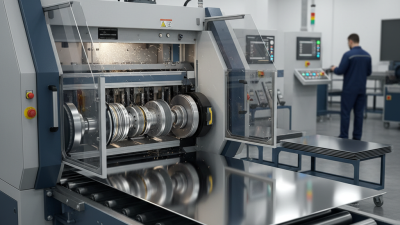
Wide-belt machines suit large stainless steel sheets requiring consistent satin or mirror finishes. They work well in fabrication lines, especially when surface flatness matters. For sharp edges and light burrs, a brush-type Metal Sheet Plate Polishing Deburring Machine offers controlled abrasion with less risk of removing excessive material. Rotary or planetary machines are better for smaller plates, complex contours, and localized finishing. Wet polishing systems can reduce airborne dust and heat, but they require reliable filtration and wastewater management.
Abrasive selection remains critical. Coarse belts remove weld discoloration quickly, while finer belts create a smoother visual finish. ISO 21920-2 emphasizes measurable surface texture parameters, so operators should verify roughness instead of judging appearance alone. Industry 4.0 reports from MarketsandMarkets also identify automation and process monitoring as major trends in metal finishing equipment. Yet automation is not always the best answer. Small workshops may gain more from fast tool changes and clear guarding. I have seen operators overvalue throughput and overlook sheet warping. That mistake is expensive. Test samples, record Ra values, and inspect edges under angled light before approving a machine.
What Is the Best Plate Sheet Polishing Machine?
Important Features for Comparing Polishing Machines
The best plate sheet polishing machine depends on surface quality, plate size, and production rhythm. In my experience, abrasive control matters more than impressive motor ratings. Compare working width, spindle speed, feed speed, and pressure stability. A rigid frame reduces vibration around edges and corners. That detail is easy to miss.
Surface measurement should guide the purchase. ISO 21920 defines current methods for assessing surface texture, including roughness parameters such as Ra and Rz. Ask suppliers for measured results, not only photographs. The machine should maintain consistent finishes across stainless steel, aluminium, and coated sheets. According to Grand View Research, the global metal finishing market was valued at more than USD 100 billion in 2023. That scale reflects demanding quality expectations across fabrication industries. Still, market size does not prove one machine is suitable for your workshop.
Energy use and dust management deserve equal attention. The U.S. Department of Energy reports that compressed-air systems can lose 20% to 30% of their output through leaks and poor maintenance. Choose efficient motors, accessible filters, and clear dust extraction paths. Check automatic compensation, abrasive replacement time, emergency stops, and operator visibility. A machine may polish quickly but create uneven heat marks. That is a costly lesson. Request trial processing with your actual plate thickness, abrasive grade, and target roughness. Then inspect the first and last sheets, because consistency often weakens before anyone notices.
What Is the Best Plate Sheet Polishing Machine?
How to Select the Best Machine for Your Materials
The best machine depends on your plate material, thickness, surface finish, and production volume. A stainless steel sheet may need controlled abrasive pressure, while aluminum requires gentler contact to prevent deep scratches and heat marks. Always test a sample first. Small trials reveal problems that brochures often hide.
For edge preparation, a Plate Sheet Deburring Machine can remove sharp burrs after cutting, punching, or laser processing. Check whether the machine supports your sheet width and thickness range. A stable conveyor helps maintain consistent contact, especially with large plates. Adjustable brush pressure is valuable when switching between thin panels and heavy steel plates. Dust extraction also matters. Fine particles can affect visibility, maintenance, and worker comfort.
I once underestimated the effect of surface contamination. Oil on a sheet changed the polishing result and forced extra cleaning. That experience made me inspect material condition before judging machine performance. Ask for measured results, not only polished samples. Request details about abrasive life, power use, noise, maintenance time, and replacement parts. Machines with simple controls are often easier to train operators on, though advanced automation may improve repeatability. The right choice is rarely the fastest machine. It is the one that produces the required finish without damaging the material. Some uncertainty remains. Test your actual grades, thicknesses, and daily workload before purchasing.
Select the machine according to the plate material’s hardness and thermal conductivity. Harder materials generally require stronger abrasive control, while highly conductive materials can transfer heat quickly during polishing.
Typical reference values for common commercial materials. Actual values vary by alloy, temper, surface condition, and processing temperature.
What Is the Best Plate Sheet Polishing Machine?
The best plate sheet polishing machine is not always the fastest model. It should match the plate thickness, material, surface finish, and daily workload. In practical operation, stable pressure matters more than impressive speed. A rigid frame reduces vibration and helps prevent uneven polishing marks. Operators should verify abrasive compatibility before processing stainless steel, aluminum, or coated plates. Small details matter.
Maintenance begins with a clean working area. Remove metal dust from guards, rollers, ventilation points, and electrical cabinets after each shift. Inspect belts, bearings, coolant lines, and abrasive wheels for wear or cracking. Lubricate only according to the service instructions. Excess lubricant can attract abrasive dust. I once ignored a noisy bearing because production was busy, and the repair later took much longer. That was poor judgment.
Safety must remain part of the operating routine. Wear suitable eye, hearing, and respiratory protection when dust or fragments may occur. Keep hands away from moving rollers and never bypass an interlock or guard. Before changing abrasives, isolate the power and confirm that stored energy has been released. During setup, secure the plate firmly and check its travel path. The same discipline applies when using a Plate Chamfering Machine, especially near sharp edges and rotating tools. Operators should record unusual vibration, heat, or surface defects, even when the machine still runs. A quick note can prevent a serious failure.
| Evaluation Area | Recommended Machine Feature | Typical Operating or Maintenance Data | Why It Matters | Inspection or Control Method | Priority |
|---|---|---|---|---|---|
| Machine Configuration | Wide-belt abrasive polishing machine with adjustable feed speed and contact pressure | Common sheet-processing feed speeds are approximately 2–20 m/min, depending on material removal and surface-finish requirements. | Adjustable settings allow the operator to balance productivity, heat generation, abrasive wear, and surface uniformity. | Confirm that feed speed, pressure, and abrasive settings can be adjusted independently and repeated accurately. | High |
| Workpiece Capacity | Rigid conveyor or support table sized for the intended plate dimensions and mass | Capacity must be rated for the maximum sheet width, thickness, length, and weight specified by the machine manufacturer. | Insufficient support can cause vibration, uneven polishing, workpiece movement, or damage to the conveyor and drive system. | Compare the machine nameplate and technical manual with the heaviest and largest workpieces used in production. | High |
| Abrasive Selection | Quick-change abrasive belt system with compatible grit ranges | Coarse grits remove more material; finer grits generally improve cosmetic finish. The exact grit sequence depends on material and target roughness. | Using an unsuitable grit can produce deep scratches, excessive heat, premature belt loading, or inconsistent finish quality. | Record material type, starting grit, finishing grit, belt life, and resulting surface roughness for each process. | High |
| Surface-Finish Control | Variable speed control, stable contact pressure, and measurable roughness verification | Surface roughness should be checked against the drawing or process specification rather than judged only by appearance. | Visual inspection alone may miss directional scratches, local defects, or roughness outside the required tolerance. | Use a calibrated surface-roughness tester and inspect multiple locations across the sheet width and length. | High |
| Dust Extraction | Enclosed polishing zone connected to a suitable local exhaust ventilation system | Airflow must be designed and verified for the machine enclosure, abrasive type, and material being processed. | Effective extraction reduces airborne dust, improves visibility, limits contamination, and lowers the risk of combustible-dust accumulation. | Check ducting, filters, collection containers, airflow indicators, and accumulated dust during scheduled inspections. | Critical |
| Fire Prevention | Temperature monitoring, spark control, clean extraction paths, and suitable fire protection | Hot workpieces, sparks, oily dust, and blocked extraction systems can increase fire risk during abrasive processing. | Polishing dust and overheated materials may ignite or create secondary hazards if housekeeping and extraction are inadequate. | Keep the work area free from dust deposits, investigate unusual sparks or odors, and follow the site fire-protection plan. | Critical |
| Guarding and Interlocks | Fixed guards, interlocked access doors, emergency stops, and belt-break detection | Safety devices should be tested before operation and after maintenance or electrical work. | Guards and interlocks help prevent access to rotating components, abrasive belts, pinch points, and moving conveyors. | Perform a documented pre-start test; do not operate the machine if an emergency stop or interlock fails. | Critical |
| Operator Protection | Clear operating controls, guarding at loading areas, and documented personal protective equipment requirements | Typical controls include eye protection, hearing protection, safety footwear, close-fitting clothing, and task-specific respiratory protection where required. | Polishing can generate noise, dust, flying particles, sharp edges, and entanglement hazards. | Complete a task risk assessment and verify PPE, operator training, and access controls before production starts. | Critical |
| Routine Cleaning | Accessible surfaces and dust-removal points without creating secondary airborne dust | Clean the work zone at the frequency defined by dust generation and site risk assessment; avoid using compressed air to disperse combustible or harmful dust. | Accumulated dust can obstruct sensors, reduce extraction performance, contaminate finished sheets, and increase fire risk. | Use approved industrial vacuum equipment or other site-approved methods and record housekeeping checks. | High |
| Abrasive Belt Inspection | Belt tracking, tension control, and condition monitoring | Inspect before each shift and replace belts showing tears, glazing, excessive loading, edge damage, or unstable tracking. | Damaged or incorrectly tensioned belts can break, cause uneven finishes, damage rollers, and create safety hazards. | Check belt alignment, tension, splice condition, wear pattern, and tracking during operation from a safe position. | High |
| Lubrication and Mechanics | Maintenance access to bearings, rollers, guides, drive components, and conveyor systems | Lubrication intervals must follow the equipment manual, lubricant specification, operating hours, and environmental conditions. | Correct lubrication reduces friction, vibration, heat, and premature wear while supporting stable surface quality. | Use a maintenance log for lubrication dates, lubricant type, abnormal noise, vibration, and component replacement. | High |
| Electrical and Control System | Protected control cabinet, overload protection, fault diagnostics, and lockout/tagout provisions | Electrical inspection intervals should be based on the manufacturer’s instructions and the plant’s preventive-maintenance program. | Reliable controls reduce unplanned downtime and help prevent unexpected start-up during service work. | Inspect cables, connectors, sensors, alarms, and control-panel cleanliness; isolate energy before maintenance. | Critical |
| Noise Management | Enclosure design, low-vibration components, and workplace noise assessment | Noise exposure should be measured at the operator position and managed according to applicable occupational limits. | Belts, rollers, extraction equipment, and sheet contact can generate significant noise during continuous operation. | Use workplace sound-level or personal noise-dose measurements and maintain hearing-protection requirements where needed. | High |
| Energy Efficiency | Efficient drive motor, automatic standby mode, and demand-controlled dust extraction | Actual energy consumption varies with motor size, feed speed, abrasive load, extraction airflow, and operating schedule. | Reducing idle running time and matching extraction demand to production can lower operating costs without reducing safety. | Track electricity use, idle time, motor load, and extraction performance during normal production. | Medium |
| Operator Training | Documented training covering setup, adjustment, emergency response, cleaning, and lockout/tagout | Only trained and authorized personnel should operate, adjust, clean, or service the machine. | Correct training reduces setup errors, unsafe intervention, abrasive damage, and inconsistent product quality. | Maintain training records and require refresher training after process changes, incidents, or extended absence. | Critical |
| Best Overall Selection Criteria | Machine matched to material, sheet dimensions, target finish, production volume, safety requirements, and service capability | The best machine is not defined by one specification; it must meet capacity, finish, safety, maintainability, and total-cost requirements. | A balanced evaluation prevents selecting equipment that is fast but difficult to maintain, unsafe, or unsuitable for the required finish. | Use production trials, lifecycle-cost review, maintenance planning, risk assessment, and acceptance testing before purchase. | Critical |
China’s 800 mm metal sheet deburring machines are gaining attention as manufacturers seek faster, more consistent edge finishing for modern fabrication lines. Market research from Grand View Research and MarketsandMarkets highlights the continued demand for automated metal-processing equipment, driven by rising production efficiency requirements, tighter quality standards, and the expansion of sheet-metal applications. Chinese suppliers are responding with reliable, high-capacity solutions designed for continuous industrial use.
An 800 mm working width provides efficient coverage for large metal sheets and plate components while helping reduce manual handling and secondary finishing. These machines can remove burrs, smooth sharp edges, and create uniform chamfers on carbon steel, stainless steel, aluminum, copper, titanium alloys, and other non-ferrous metals. Adjustable processing parameters allow operators to adapt the equipment to different thicknesses, surface conditions, and finishing requirements.
The same technology can also be used for flat parts, stone plates, plastics, and other compatible materials. A China-based factory can provide customized configurations, stable performance, and practical support for manufacturers in construction, automotive, machinery, energy, and general metal fabrication. By integrating dependable deburring and chamfering equipment into production, companies can improve edge quality, enhance workplace safety, and maintain a more efficient manufacturing workflow.
It uses controlled abrasion to remove scratches, scale, weld discoloration, and uneven edges. Coarse abrasives cut first. Finer abrasives reduce visible polishing lines.
Thin sheets can vibrate, bend, or distort from heat. A wide roller, steady feed table, and adjustable pressure help control them. Thin metal is less forgiving.
Coolant limits heat buildup during polishing. Too much fluid may reduce abrasive cutting efficiency. The correct balance can be difficult to maintain.
Compare working width, spindle speed, feed speed, and pressure stability. A rigid frame helps reduce vibration near edges and corners. Motor power alone proves little.
Use roughness values such as Ra and Rz, following recognized surface-texture methods. Combine measurements with visual inspection. A bright surface can still hide waviness.
Material grade, thickness, abrasive type, and target roughness affect the result. Test the real sheet before purchasing. A perfect sample can mislead.
Not always. Excessive pressure may create waviness or hidden thermal damage. Slower settings often provide more reliable results.
Inspect both the first and last sheets. Check roughness, heat marks, polishing lines, and edge consistency. Problems may appear late.
Choose efficient motors, accessible filters, and clear dust-extraction paths. Check air leaks and filter condition regularly. Small leaks become expensive.
Choosing by motor rating or photographs alone is risky. Request measured results using your plate thickness and abrasive grade. I would still question the first test.
A Best Plate Sheet Polishing Machine is designed to improve the surface quality of metal plates and sheets by removing scratches, oxidation, uneven marks, and minor imperfections. These machines use abrasive belts, wheels, brushes, or other polishing tools to create a smoother and more consistent finish. Different machine types are suited to different requirements, including wide-sheet processing, precision finishing, heavy-duty material removal, or fine surface refinement.
When selecting a machine, users should consider material type, sheet dimensions, thickness, production volume, finish requirements, abrasive compatibility, automation level, and adjustment flexibility. Efficient dust collection, stable pressure control, easy tool replacement, and reliable safety protection are also important features. Proper maintenance, including regular cleaning, inspection, lubrication, and abrasive replacement, helps preserve performance and extend service life. Operators should follow clear procedures, use suitable protective equipment, and receive appropriate training to ensure safe and consistent polishing results.